
Tree Trimming 101: How Often Should Property Owners Schedule It?
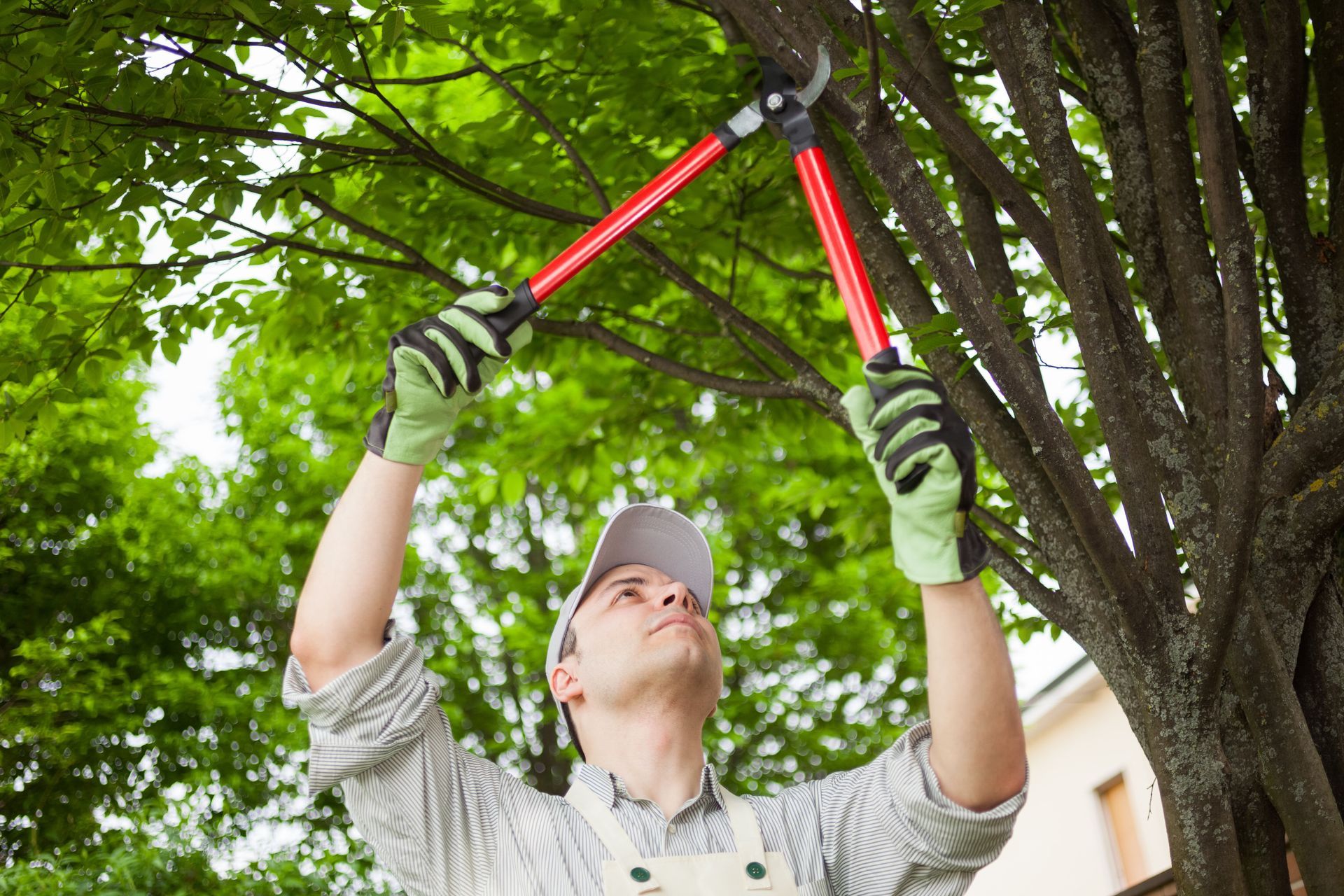
Tree trimming plays a critical role in property maintenance and its aesthetic enhancement. It is more than just a cosmetic procedure; it impacts the health and safety of your trees. The frequency of tree trimming depends on various factors, including the species of the tree, its age, and the environmental conditions it is exposed to. For property owners, understanding these variables is essential for maintaining healthy and visually appealing landscapes. This article delves into these influencing factors, aiming to guide property owners towards optimal tree trimming schedules.
Understanding the Basics of Tree Growth
Photosynthesis and Growth Rates
Photosynthesis is fundamental for a tree's growth, as it converts sunlight into the energy required for development. The rate at which a tree grows can be significantly influenced by how efficiently it performs photosynthesis. Trees with less foliage or those growing in shaded areas may exhibit slower growth rates. In contrast, species thriving in abundant sunlight could require more frequent trimming to manage rapid growth. Understanding this biological process aids in predicting when a tree might need another trim.
The relationship between photosynthesis and tree growth cannot be overstated. Trees require optimal light conditions to maximize their growth potential, impacting when and how they should be trimmed. Denser or broader canopies might need thinning to ensure inner leaves receive adequate sunlight. Conversely, poor photosynthesis due to inadequate light can lead to weaker trees and more frequent health issues. Such conditions necessitate regular checks and timely trimming interventions.
According to the USDA Forest Service, the challenges faced by urban trees include limited sunlight, which hinders growth and health, leading to tree lifespans of only up to 18 years. To counteract these disadvantages, proper trimming and maintenance of tree canopies become crucial strategies for property owners. Ensuring sunlight penetration throughout the tree is vital for sustaining its health and longevity. Without appropriate trimming schedules, a tree’s growth may stagnate, resulting in early mortality.
The Natural Growth Cycle of Different Species
The growth cycles of trees vary significantly between different species, influencing trimming schedules. Some species experience rapid growth phases that require more regular trimming, while others grow slowly and need less frequent attention. For instance, fast-growing species such as willow or poplar might need trimming several times a year. In contrast, slower growers like oaks and pines may require less frequent intervention. Familiarity with the natural growth cycle of each species helps determine an appropriate trimming schedule.
Identifying the growth patterns of tree species can facilitate better management practices. Fast-growing trees might quickly outgrow their allocated spaces and require regular trimming to control their spread. Alternatively, slower-growing species might only need occasional trims to remove deadwood or prevent disease. Such tailored management ensures that trimming efforts are not unnecessarily frequent, saving time and resources. Furthermore, understanding these cycles can prevent over-trimming, which could stress the trees.
Recognizing species-specific growth cycles can optimize the health and appearance of your trees. Regular trimming aligned with the natural growth cycles ensures trees remain healthy and aesthetically pleasing throughout their lifespan. This approach also minimizes the risk of damage and disease, which can result from neglect or improper trimming schedules. Moreover, it fosters a more sustainable environment, ultimately enhancing the overall landscape of a property.
Factors Influencing Tree Trimming Frequency
Tree Species and Growth Habit
The species and inherent growth habits of a tree significantly impact how often it should be trimmed. Certain species, due to their fast-growing nature, require more regular trimming to manage size and prevent obstruction. For example, fast-growing trees like willows and maples can proliferate dramatically within a short span. Conversely, slower-growing species such as oak or pine may need less frequent intervention but require careful trimming to prevent disease. Understanding the typical growth habits of specific species is the first step towards efficiently scheduling trimming.
Each tree species exhibits distinct growth patterns and physical characteristics that dictate its maintenance requirements. For instance, certain trees may develop dense canopies requiring periodic thinning to allow for light penetration and airflow. Fast-growing species often demand more active management to ensure that their growth does not lead to property damage or blocked views. On the other hand, trees with more static growth rates can be managed with less frequent, strategic pruning to maintain health and form. Tailored trimming practices thus align closely with the natural tendencies of each species.
Variations in species growth habits underscore the complexity of creating an effective trimming schedule. Finding the balance involves understanding not just the tree species, but also the individual tree's role within the broader landscape. Conducting regular assessments and consulting specialists can aid in avoiding over- or under-trimming, both of which can compromise tree health. This understanding helps ensure that trimming is proactive and efficient, leading to long-term health and vitality for all trees across a property.
Geographic Location and Climate Conditions
A tree's geographic location significantly influences its trimming schedule, as local climate conditions dictate growth and dormancy periods. Trees in temperate regions may exhibit clear seasonal growth patterns, necessitating different trimming strategies across seasons. Meanwhile, trees in tropical climates may require more consistent year-round trimming to manage continuous growth. Understanding the implications of geographic location on tree health can guide property owners in tailoring their trimming schedules for optimal outcomes. Adapting to the local environment ensures the trimming approach matches the tree's natural responses to climate stimuli.
Climatic conditions like temperature and precipitation levels directly impact a tree's growth rate and overall health. Adequate trimming in response to these conditions can enhance a tree's ability to thrive in its environment. For example, regions experiencing heavy rainfall can lead to dense, rapid tree growth that benefits from regular thinning. Conversely, areas of drought might prompt more conservative trimming to conserve energy resources. Thus, successful tree maintenance strategies include climate considerations as essential elements.
Analyzing climate and geographic factors enhances the efficiency and precision of tree trimming plans. Recognizing the effects of local weather patterns on growth helps prioritize trees that may be at risk due to adverse conditions. Customizing trimming protocols to align with these factors can mitigate potential stressors and promote overall tree stability and vigor. By thoughtfully incorporating geographic and climatic influences into trimming strategies, property owners can maintain healthier trees in harmony with their natural surroundings.
Soil Quality and Nutrients
Soil quality and nutrient availability are critical factors that influence tree growth and, consequently, trimming frequency. Trees situated in nutrient-rich soils may grow more rapidly, necessitating more frequent trims to control their size and structural integrity. Conversely, trees in nutrient-poor soils might grow slower but develop weak structures, requiring attentive trimming to prevent breakage. Analyzing soil conditions can thus inform a more bespoke trimming schedule. Understanding that soil health directly impacts tree vitality is key to developing effective maintenance strategies.
Soil type can vastly impact root growth, stability, and nutrient uptake, all of which are crucial for a tree's overall health and robustness. Areas with sandy or clay-heavy soils may hinder nutrient absorption, affecting growth rates and structural health. Being mindful of these soil-related factors allows for interventions that promote healthier, more resilient trees.
Addressing soil quality through practices like enrichment or amendment can enhance tree health and stability. The condition of the soil invariably informs trimming decisions, highlighting areas that may require more focused attention. By aligning trimming practices with soil health, property owners can adopt a comprehensive approach to tree maintenance. Recognizing and adapting to soil needs can greatly influence how trees are managed, ensuring robust landscapes that contribute to property and ecological health.
By aligning maintenance practices with each tree’s biological rhythm and site conditions, property owners can safeguard their landscape against storm damage, disease, and premature decline while enhancing curb appeal and property value. Regular monitoring and tailored pruning ensure that trees receive adequate sunlight and airflow, supporting structural resilience for decades to come. Taking a deliberate, informed approach to tree care fosters a healthier, more balanced outdoor environment that endures across every season—so if you are ready to enhance the health, safety, and natural beauty of your property, contact NV Landscaping today to schedule your professional tree care consultation.




Share On: